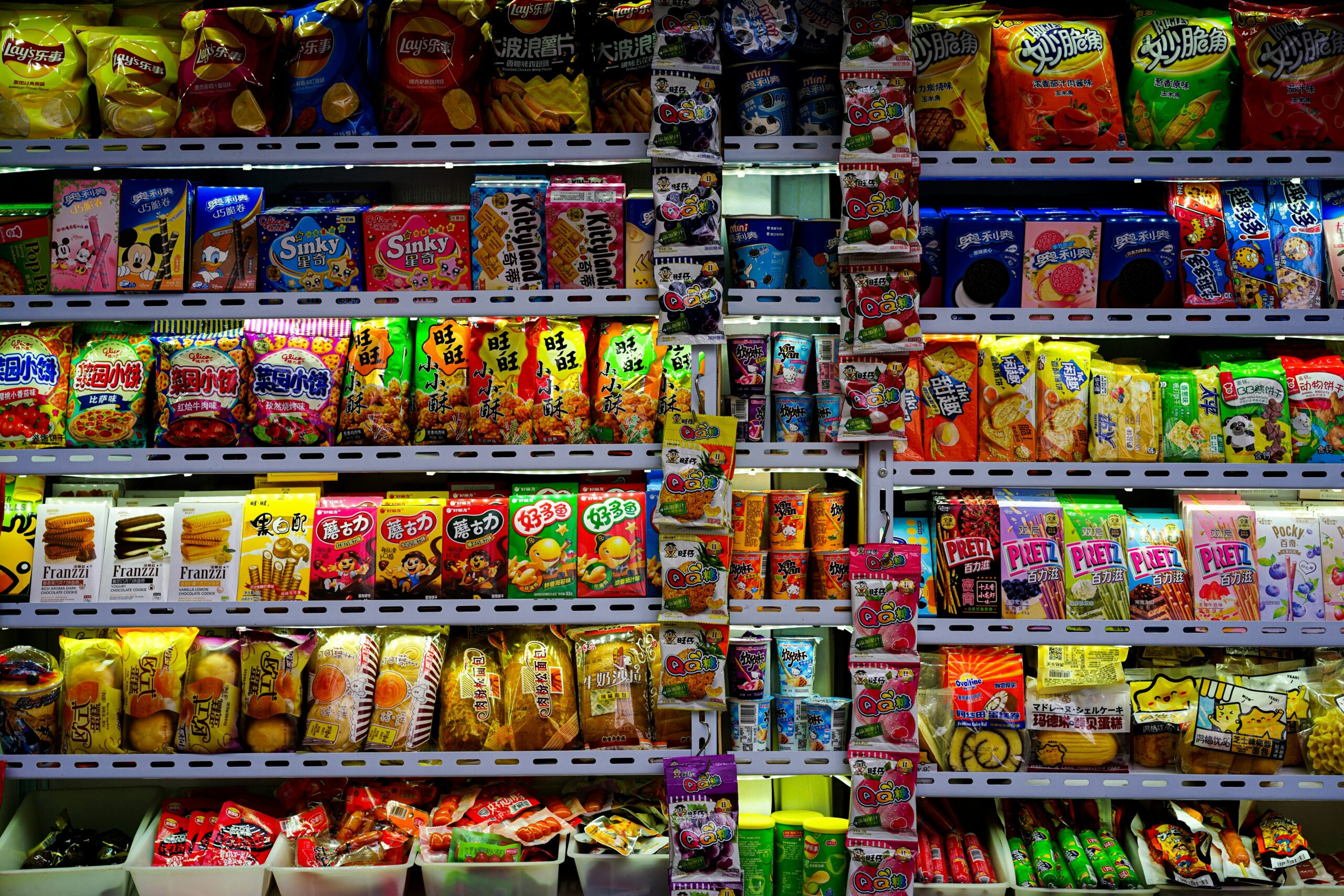
Filipino snacks are a vibrant explosion of flavors and textures, offering a delicious culinary adventure that’s surprisingly accessible. Think sweet, salty, sour, and even a little bit spicy – it’s all part of the fun! You can find these tasty treats everywhere, from bustling street food stalls to dedicated snack shops, and even in the aisles of your local Asian grocery store. The beauty of Filipino snacks lies in their diversity, reflecting the archipelago’s rich history and regional variations. This isn’t just about satisfying a craving; it’s about experiencing a bit of Filipino culture, one bite at a time.
Filipino sweets are legendary, and for good reason. They often feature a masterful balance of sugar and other ingredients, creating desserts that are both comforting and exciting. Many of these treats have been passed down through generations, with families having their own secret recipes and variations.
Classic Sweet Treats That Never Disappoint
Some sweet snacks are so iconic they’re practically synonymous with Filipino childhood. These are the flavors that evoke nostalgia for many Filipinos and are always a hit with newcomers.
Polvoron: The Crumbly Delight
Polvoron is a type of shortbread cookie that literally melts in your mouth. Made from flour, butter, sugar, and milk powder, its texture is incredibly delicate. You’ll often find it enhanced with roasted rice flour (though some prefer it without, for a smoother texture), which adds a nutty aroma. The beauty of polvoron lies in its simplicity and the endless possibilities for variations. From classic plain to decadent chocolate, ube (purple yam), pandan (a fragrant green leaf), or even with crushed peanuts or pinipig (toasted young rice grains), there’s a polvoron for everyone. The way it crumbles is part of its charm, and it’s often wrapped individually in colorful wax paper, making them perfect for gifting or sharing. The process of making them by hand, pressing the mixture into molds, is a labor of love.
Pastillas de Leche: Creamy Goodness
Pastillas de leche are soft, milky candies that are incredibly smooth and sweet. Traditionally made with carabao’s milk (water buffalo milk), which gives them a richer flavor than cow’s milk, they are slowly cooked down to a condensed milk consistency before being shaped into small logs or rectangles. The outer layer is often dusted with fine white sugar, adding a slight crunch before you reach the creamy interior. Like polvoron, pastillas come in various flavors, with ube and pandan being particularly popular. Some versions are even wrapped in delicate paper called “pabalat,” which are intricately cut and decorated, turning a simple candy into a work of art. These are often found in souvenir shops and are a perfect way to end a meal or enjoy with a cup of coffee.
Buchi: Crispy Sesame Balls
Buchi, also known as, sesame balls, are deep-fried dough balls coated in sesame seeds. They are typically filled with a sweet paste, most commonly red bean paste or a sweet mung bean paste. The contrast between the crispy, chewy exterior covered in toasted sesame seeds and the soft, sweet filling is incredibly satisfying. The aroma of warm sesame seeds as they’re fried is mouthwatering. While the classic fillings are red bean or mung bean, you might also find variations with other sweet pastes or even savory fillings in some regions. They are best enjoyed fresh, when the outer shell is still delightfully crisp.
Fruit-Based Delights: Nature’s Candy
The Philippines is blessed with an abundance of tropical fruits, and many snacks showcase these natural flavors in delicious and refreshing ways.
Halo-Halo: The Ultimate Chilled Treat
Halo-halo, literally meaning “mix-mix,” is the quintessential Filipino dessert. It’s a vibrant and layered concoction of shaved ice, milk, sweetened beans, fruits, jellies, and usually topped with a scoop of ice cream and a slice of leche flan. The beauty of halo-halo is its customizable nature; every vendor and every home cook has their own preferred combination of ingredients. Common additions include nata de coco (coconut jelly), kaong (sugar palm fruit), jackfruit, sweet potato, and various gulaman (agar-agar) jellies. The process of mixing everything together is part of the experience, creating a delightful symphony of textures and temperatures. It’s the perfect antidote to the tropical heat.
Turon: Sweet Banana Rolls
Turon are thinly sliced bananas, often saba bananas (a type of cooking banana), rolled in a piece of lumpia wrapper (a thin spring roll pastry) along with strips of sweet jackfruit. This delightful roll is then deep-fried until the wrapper is golden brown and crispy. For an extra touch of sweetness, a light drizzle of caramelized sugar is often added before serving, creating a sticky, caramelized coating. Turon can be enjoyed as a snack or a dessert, and its popularity has led to various additions, such as adding a slice of cheese inside for a sweet and savory contrast, or using different types of fruits. They are a common sight at street food stalls and are incredibly satisfying.
Maja Blanca: Creamy Coconut Pudding
Maja Blanca is a rich and creamy coconut pudding that has a wonderfully smooth texture. Made primarily from coconut milk, sugar, and cornstarch, it has a subtle sweetness that is often enhanced with corn kernels. The pudding is typically set in a rectangular pan and then cut into squares. A common topping is a layer of melted coconut cream or a sprinkle of toasted coconut flakes, adding to the creamy coconut flavor. Some variations might include pandan extract for a fragrant twist. It’s a comforting and elegant dessert that is often served during special occasions and fiestas.
If you’re interested in exploring more about Filipino snacks, you might enjoy reading this article that delves into the rich variety of treats from the Philippines. From the crunchy goodness of chicharrón to the sweet delight of leche flan, there’s a snack for every palate. For a fun culinary adventure, check out this related article on deep dish pizza, which highlights the experience of trying to eat an entire pizza in one sitting. You can read it here: Josh Tried to Eat an Entire Deep Dish Pizza.
The Savory Side: From Salty to Spicy
While sweet snacks are abundant, Filipino cuisine also offers a fantastic array of savory snacks that are just as compelling. These often play on salty, umami, and even spicy notes, providing a delightful contrast.
Iconic Savory Bites You Must Try
These are the snacks that often become addictive, the ones you find yourself craving repeatedly. They showcase the Philippines’ knack for bold flavors.
Chicharon: Crispy Pork Rinds
Chicharon are crispy, deep-fried pork rinds, a universally loved snack. The Philippines boasts numerous regional variations and styles. The most common is made from pork belly, which renders its fat during cooking, resulting in an incredibly light and airy crunch. However, you’ll also find chicharon made from pork skin. They are seasoned simply, usually with salt, and are often served with a vinegar-based dipping sauce, perfect for cutting through the richness. Varieties include those seasoned with garlic, chili, or even a spicy vinegar. These are sold everywhere, from small packets to large family-sized bags.
Kwek-Kwek and Tokneneng: Eggcellent Street Food
Kwek-kwek are quail eggs, and tokneneng are chicken or duck eggs, that have been hard-boiled, then coated in a vibrant orange batter and deep-fried until golden and crispy. The batter is typically made with flour, cornstarch, annatto powder (which gives it its signature color), and a pinch of salt. The result is a delightful contrast between the slightly chewy egg inside and the crunchy, flavorful coating. They are almost always served with a selection of dipping sauces, ranging from sweet and spicy to tangy vinegar. These are a quintessential Filipino street food experience.
Fish Crackers (Kropek): Light and Airy Crunch
Fish crackers, known locally as “kropek,” are thin, crispy crackers made from starch, fish essence, and various seasonings. They come in a wide array of shapes, sizes, and flavors, often mimicking seafood like shrimp or fish. When fried, they puff up into light, airy morsels that offer a satisfying crunch. While some are eaten plain, many are enjoyed dipped in various sauces, such as sweet chili sauce or a mixture of soy sauce and calamansi (a small, tart citrus fruit). They are a popular pantry staple and a convenient, easily shareable snack.
Pugon Roast Bread: Simple Yet Satisfying Dough
While not always strictly a “snack,” the bread from a pugon or traditional wood-fired oven holds a special place. These are often simple, slightly sweet, or savory bread rolls that have a distinct aroma and texture from being baked in a wood-fired oven. Breads like pan de sal (salt bread), often enjoyed for breakfast or as a snack with coffee, can also come in larger, more substantial forms from these ovens. The smoky notes and slightly charred crust are part of their appeal, offering a comforting and rustic flavor profile.
Savory and Sweet Combinations: The Best of Both Worlds
Filipino food excels at blending sweet and savory elements, and this extends to their snacks, creating exciting flavor profiles.
Lumpia Sariwa: Fresh Spring Rolls
Unlike the crispy fried lumpia, lumpia sariwa are fresh spring rolls. They are typically filled with a medley of sauteed vegetables, such as cabbage, green beans, carrots, and sometimes minced pork or shrimp. What truly sets them apart is the sweet and savory peanut sauce that is generously poured over them just before serving. This sauce, often thickened and flavored with garlic and soy sauce, complements the freshness of the vegetables beautifully. Garnishings like crushed peanuts or garlic bits add further texture and flavor.
Puto: Steamed Rice Cakes
Puto are small, steamed rice cakes that are a staple in Filipino cuisine. They have a slightly spongy texture and a mild, subtly sweet flavor. While plain white puto is common, there are many variations. “Puto bumbong” is a special kind cooked in bamboo tubes, giving it a distinct shape and aroma, often colored purple with pirurutong rice. Other popular versions include puto ube (purple yam puto), puto pandan (pandan-flavored puto), and puto cheese (puto topped with cheese). They are often enjoyed with grated coconut or served alongside savory dishes.
The Street Food Scene: Where Flavor Reigns Supreme
Filipino street food is a treasure trove of delicious and affordable snacks. The vibrant energy of the streets, the sizzling sounds, and the enticing aromas all contribute to an unforgettable culinary experience.
Dive into the Deliciousness of Street Snacks
These are the snacks that define the Filipino street food culture, offering bold flavors and unique textures.
Isaw: Grilled Skewers of Delight
Isaw refers to grilled chicken or pork intestines, a very popular street food. While it might sound unusual to some, the intestines are thoroughly cleaned and then meticulously prepared before being skewered and grilled over charcoal. This process results in a smoky, slightly chewy snack that is incredibly flavorful, especially when dipped in a tangy vinegar sauce often infused with onions, garlic, and chili. The char from the grill adds a delightful smoky depth, making it an addictive choice for adventurous eaters.
Betamax: Cubes of Savory Goodness
Betamax refers to grilled cubes of coagulated pork or chicken blood. Don’t let the name deter you – when properly prepared and grilled, these “cubes” develop a rich, savory, and slightly metallic flavor that is quite unique. The name “Betamax” comes from the resemblance of the rectangular blood cubes to old Betamax video tapes. They are also typically served with a vinegar-based dipping sauce, which helps to balance the richness of the blood. It’s a daring yet rewarding street snack for those looking to explore unusual flavors.
Balut: The Ultimate Test of Courage (and Taste)
Balut is a fertilized duck embryo that is boiled and eaten in the shell. It is considered a delicacy by many Filipinos and is often consumed as a snack or a substantial meal. The taste and texture can vary depending on the age of the embryo, ranging from a slightly firm yolk to a more developed texture with a broth-like soup inside. It is typically seasoned with salt and vinegar, and some people add chili. While it’s a challenging snack for many foreigners, for those who embrace it, it offers a unique and intensely flavorful experience. It’s often consumed with a shot of local liquor.
Sweet Street Treats That Will Charm You
It’s not all savory on the streets; there are plenty of sweet options too that offer a burst of flavor.
Banana Cue: Caramelized Banana Goodness
Banana cue is a beloved Filipino street food made from ripe saba bananas that are coated in brown sugar and then deep-fried until the sugar caramelizes into a sweet, crunchy crust. The bananas themselves become soft and tender inside, creating a delightful contrast in textures. The aroma of the caramelized sugar while they’re frying is intoxicating. They are typically served on a skewer, making them easy to eat on the go. It’s a simple yet incredibly satisfying sweet snack.
Kamote Cue: Sweet Potato Serenade
Similar to banana cue, kamote cue is made from sweet potatoes (kamote) that are cut into bite-sized pieces, coated in brown sugar, and deep-fried until caramelized. The sweet potato offers a slightly different texture and a more earthy sweetness compared to the banana. The caramelized sugar coating provides that irresistible sweet and crispy element. This snack is a perfect example of how simple ingredients can be transformed into something truly delicious.
Exploring Regional Specialties and Unique Flavors
The Philippines is an archipelago with distinct cultural influences in each region, leading to a fascinating diversity in its snack offerings. What’s common in one area might be completely new in another.
Discovering Local Delicacies
Venturing beyond the most common snacks reveals a world of regional specialties that offer a deeper understanding of Filipino culinary traditions.
Taho: Silken Tofu Pudding with Sweetness
Taho is a warm, silken tofu pudding that is a popular breakfast and snack item, especially in the morning. It’s typically served with arnibal (a dark, sweet syrup made from muscovado sugar) and sago pearls (tapioca pearls). The smooth, delicate texture of the tofu combined with the rich sweetness of the syrup and the chewy pearls creates a comforting and satisfying experience. Vendors selling taho can often be heard calling out their wares in the early mornings or late afternoons. Flavors can vary, with some regions adding pandan essence to the syrup.
Kinilaw: Filipino Ceviche
While often considered a dish, kinilaw can be enjoyed as a pica-pica or a snack, especially in coastal regions. It’s essentially the Filipino version of ceviche, where raw fish is “cooked” in a mixture of vinegar, onions, ginger, chili peppers, and sometimes coconut milk. The acidity of the vinegar breaks down the proteins in the fish, making it tender and flavorful. The combination of tangy, spicy, and savory notes makes it a refreshing and invigorating snack. Different types of fish can be used, and regional variations often involve the addition of local ingredients.
Binalot: Leaf-Wrapped Delights
Binalot refers to food wrapped in banana leaves or other edible leaves. While often used for full meals, smaller portions of rice and savory accompaniments can be served as snacks. The banana leaves impart a subtle aroma and flavor to the food, and their use is an environmentally friendly and traditional way of serving meals. You might find small binalot portions containing garlic rice and a piece of fried chicken or some adobo.
Beyond the Usual: Adventurous Snack Choices
For the truly adventurous, there are snacks that push the boundaries and offer a unique taste of Filipino culture.
Dinuguan: A Rich and Savory Stew (Sometimes Snacked)
Dinuguan is a savory stew made from pork offal (such as pig’s blood, intestines, and liver) simmered in a rich sauce of vinegar, garlic, and spices. While typically considered a meal, smaller portions are sometimes consumed as a snack, particularly with puto (steamed rice cakes). The intense, earthy, and slightly tangy flavor profile is an acquired taste, but it’s deeply rooted in Filipino culinary heritage. The blood provides a distinct richness and deep color.
La Paz Batchoy: Hearty Noodle Soup as a Snack
La Paz Batchoy is a hearty noodle soup that originated in La Paz, Iloilo. While it’s a substantial dish, in some contexts, a smaller bowl can be enjoyed as a savory snack, especially on a chilly day. It features a rich pork broth, noodles, and a variety of toppings like pork innards, shrimp, and cracklings. Its complex flavors and comforting warmth make it a satisfying choice, even in smaller servings.
If you’re interested in exploring the delightful world of Filipino snacks, you might want to check out this article that offers insights into the unique flavors and textures that define these treats. From the crunchy goodness of chicharrón to the sweet indulgence of bibingka, Filipino snacks are a celebration of culture and creativity. For a deeper understanding of the culinary landscape, you can read more about the diverse experiences that come with enjoying these snacks in this related article.
Making Filipino Snacks at Home: A Culinary Journey
| Snack |
Popularity |
Price |
| Halo-Halo |
High |
Affordable |
| Balut |
Popular |
Low |
| Turon |
Medium |
Affordable |
| Chicharon |
High |
Affordable |
The beauty of many Filipino snacks is their home-cook friendliness. While some require specific techniques, many are surprisingly easy to recreate in your own kitchen, allowing you to bring the taste of the Philippines to your doorstep.
Simple Steps to Delicious Homemade Snacks
Embarking on a home-cooking adventure with Filipino snacks can be incredibly rewarding, and many recipes are forgiving for beginners.
The Magic of Polvoron Kits
For polvoron, you can often find readily available polvoron making kits in Asian grocery stores. These kits usually contain the pre-mixed dry ingredients. All you need to add are the wet ingredients like butter and condensed milk. The process involves mixing, pressing into molds, and then chilling. It’s a fun activity to do with family or friends. Experimenting with different additions like crushed cookies or nuts can also be a delightful way to personalize your polvoron.
Easy Turon and Banana Cue Creations
Making turon and banana cue at home is straightforward. For turon, all you need are ripe saba bananas, jackfruit, and lumpia wrappers. A simple syrup for dipping or coating can be made by caramelizing sugar. Banana cue is even simpler, requiring just bananas, sugar, and oil for frying. Mastering the art of caramelizing the sugar without burning it is key to achieving that perfect crispy coating.
Whipping Up Maja Blanca and Puto
Maja Blanca primarily relies on coconut milk, cornstarch, and sugar, making its ingredients quite accessible. The process involves simmering and thickening the mixture until it reaches the desired consistency before being allowed to set. Puto can be made using a combination of rice flour and other starches, steamed in small molds. Many recipes online offer detailed instructions, and some even utilize more modern methods like using a blender for smoother batter consistency.
Sourcing Ingredients: Where to Find Your Flavor
The growing popularity of Filipino cuisine means that ingredients are becoming more accessible globally.
Your Local Asian Grocery Store
Asian grocery stores are your best bet for authentic ingredients. Look for specific types of flours, dried goods like sago pearls and nata de coco, tropical fruits like jackfruit (fresh or canned), and specialty ingredients like annatto powder. Don’t hesitate to ask store staff for recommendations or assistance.
Online Retailers and Specialty Shops
For those living in areas with fewer Asian grocery options, online retailers offer a vast selection of Filipino ingredients, snacks, and even cooking kits. Specialty Filipino food shops, both online and physical, are also a great resource for more obscure items and authentic products.
Embracing Substitutions and Adaptations
While some ingredients are unique, many Filipino snacks can be adapted. For instance, if you can’t find saba bananas, plantains can be a suitable substitute for turon and banana cue. The key is to understand the role of each ingredient and find a comparable alternative. Don’t be afraid to experiment and adapt recipes to what’s available to you.
If you’re interested in exploring the delightful world of Filipino snacks, you might want to check out this related article that highlights some popular treats and their cultural significance. From the sweet and chewy goodness of bibingka to the savory crunch of chicharrón, Filipino snacks offer a unique taste experience that reflects the country’s rich culinary heritage. Whether you’re a long-time fan or a curious newcomer, there’s always something new to discover in the vibrant landscape of Filipino street food.
The Cultural Significance of Filipino Snacking
Filipino snacks are more than just food; they are woven into the fabric of daily life, social gatherings, and celebrations. They represent hospitality, community, and the simple joys of sharing.
More Than Just a Bite: Snacks as Social Connectors
In the Philippines, sharing food is a fundamental aspect of social interaction, and snacks play a crucial role in bringing people together.
Merienda: The Beloved Afternoon Snack Time
Merienda, the Filipino afternoon snack time, is a cherished tradition. It’s a time to pause, relax, and connect with family and friends over coffee or tea and a shared snack. Whether it’s a humble bowl of puto or a more elaborate spread of pastries, merienda is about fostering connection and enjoying a moment of comfort during the day. It’s an ingrained part of the Filipino rhythm of life.
Fiestas and Celebrations: A Feast of Flavors
Filipino fiestas are renowned for their abundance of food, and snacks are an integral part of the celebratory spread. From sweet treats to savory bites, these snacks are laid out for guests to enjoy throughout the festivities. They are a way of demonstrating generosity and making visitors feel welcomed and well-fed. The variety of snacks at a fiesta reflects the host’s hospitality and pride in their culinary heritage.
Bringing the Philippines Home: Snacks as Souvenirs
Because many Filipino snacks are shelf-stable and easily transportable, they often become popular souvenirs. Bringing back packets of polvoron, boxes of assorted cookies, or bags of chicharon is a way for Filipinos living abroad to share a taste of home with friends and family, and for travelers to bring a piece of the Philippines back with them. These edible souvenirs carry memories and stories of the islands.
The Evolution of Filipino Snacks
Like any cuisine, Filipino snacks are not static. They continue to evolve, incorporating new flavors, ingredients, and innovations while staying true to their roots.
Modern Twists on Traditional Favorites
Chefs and home cooks are constantly experimenting with Filipino snacks. You might find gourmet versions of classic treats or innovative fusions that blend Filipino flavors with international culinary trends. For example, matcha-infused polvoron or chicharon with unique spice blends are becoming more common.
The Rise of “Cronuts” and Fusion Pastries
Inspired by global pastry trends, some Filipino bakeries are creating their own versions of cronuts, cruffins, and other fusion pastries, often incorporating local flavors like ube, pandan, or mango. These modern creations cater to a diverse palate and showcase the adaptability of Filipino culinary creativity.
Sustainability and Healthier Options
In response to growing health consciousness, there’s an increasing interest in healthier versions of traditional snacks. This might involve using less sugar, alternative flours, or incorporating more fruits and vegetables. While the indulgence factor of many Filipino snacks remains a draw, there’s a growing movement towards offering more balanced options.
Filipino snacks offer a delightful and accessible entry point into the country’s rich culinary landscape. From the intensely sweet to the surprisingly savory, each bite tells a story of flavor, tradition, and the warmth of Filipino hospitality. So, whether you’re exploring street stalls, visiting an Asian market, or trying your hand at making them at home, prepare for a delicious adventure that will tantalize your taste buds and leave you wanting more.